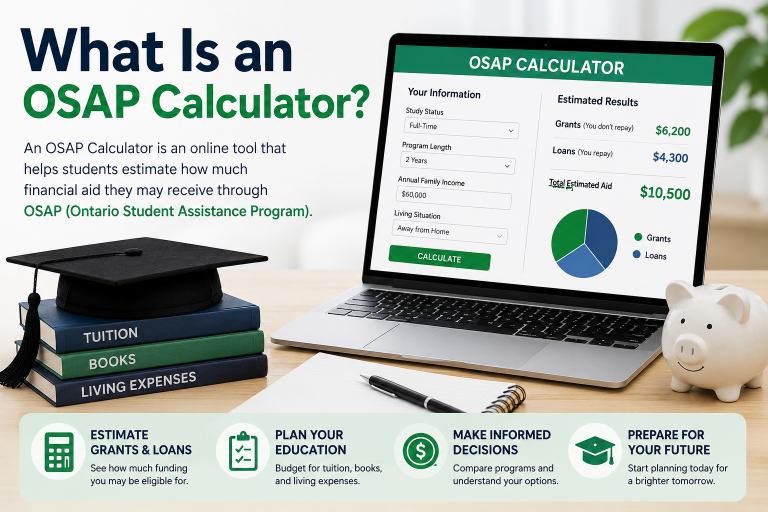

Can I Receive Grants and Loans at the Same Time?
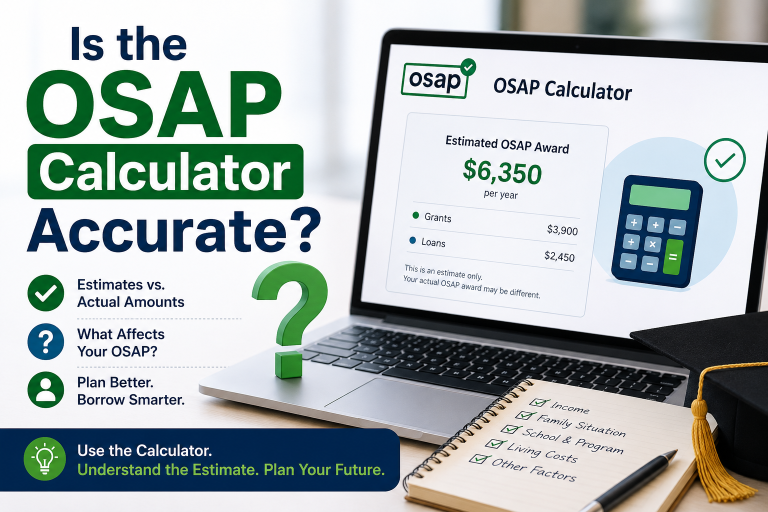
Many students and families often ask, “Can I receive grants and loans at the same time?” This is an important question when planning for higher education costs. The good news is that in most financial aid systems, it is possible to receive both grants and loans together.
Grants are usually awarded based on financial need or merit and do not need to be repaid, while loans help cover remaining education expenses and must be paid back later. Understanding how these two types of aid work together can help you make smarter financial decisions and manage your education costs more effectively and confidently.
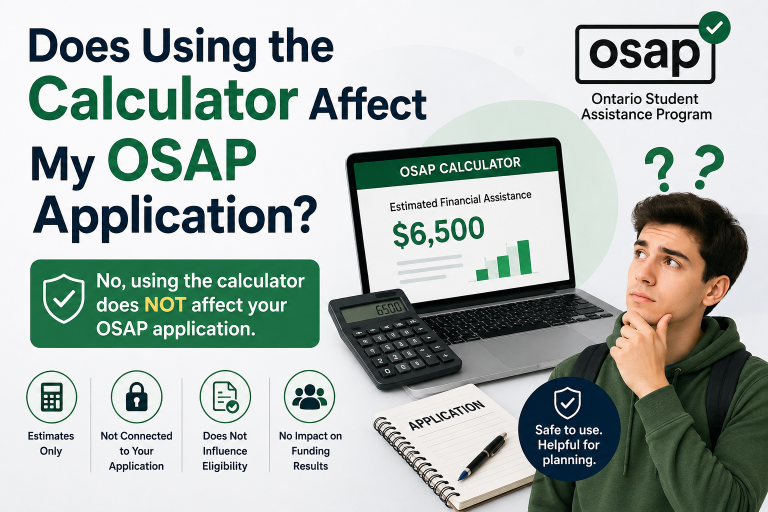
Read More: Does Using the Calculator Affect My OSAP Application?
What Are Grants and Loans?
Before understanding how they work together, it is important to know the difference between grants and loans.
Grants
Grants are a form of financial aid that you do not have to repay. They are usually awarded based on financial need, academic performance, or specific eligibility criteria such as disability, minority status, or field of study. Grants are often funded by governments, universities, or private organizations.
Loans
Loans, on the other hand, are borrowed money that must be repaid with interest. Student loans are designed to help cover education costs when grants and personal savings are not enough. Repayment usually begins after you finish your studies or drop below a certain enrollment level.
Can You Receive Both at the Same Time?
Yes, in most education systems, students can receive both grants and loans simultaneously. In fact, it is very common for financial aid packages to include a combination of both.
Here’s how it usually works:
- First, your eligibility for grants is determined based on financial need or merit.
- Then, any remaining educational costs (tuition, books, living expenses) may be covered through student loans.
- The combination ensures that your education is fully funded without immediate financial burden.
This approach is especially common in university financial aid systems where total costs are high.
How Grant and Loan Packages Are Structured
Financial aid offices typically design a “package” for each student. This package may include:
Grants (Free Money First)
Grants are usually applied first because they do not need to be repaid. They reduce your overall education cost immediately.
Subsidized Loans (Need-Based Borrowing)
If additional funding is needed, subsidized loans may be offered. These loans often have better terms, and in some cases, the government pays the interest while you are studying.
Unsubsidized Loans (Standard Borrowing)
If costs are still not fully covered, unsubsidized loans may be added. These accumulate interest from the time they are issued.
Work-Study Programs (Optional Support)
Some financial aid packages also include part-time work opportunities to help students earn money while studying.
Why Grants and Loans Are Combined
There are several reasons why educational institutions combine grants and loans:
To Cover Full Education Costs
Grants alone often do not cover all expenses like accommodation, books, transportation, and living costs.
To Support More Students
By combining aid types, institutions can support a larger number of students with limited funding resources.
To Reduce Immediate Financial Pressure
Grants reduce upfront costs, while loans help manage remaining expenses over time.
Advantages of Receiving Both Grants and Loans
Receiving both types of aid can be beneficial in many ways:
- You pay less upfront for education
- Grants reduce your total loan amount
- You gain access to higher education opportunities
- Financial aid becomes flexible and customizable
- You can manage repayment over time instead of paying everything immediately
Things You Should Consider Before Accepting
While combining grants and loans is helpful, it is important to make informed decisions.
Understand Your Loan Terms
Always check interest rates, repayment schedules, and total repayment amount before accepting loans.
Borrow Only What You Need
Even if you qualify for a higher loan amount, avoid borrowing more than necessary.
Keep Track of Total Debt
It is easy to lose track when grants and loans are combined. Always calculate your total expected debt after graduation.
Check Grant Renewal Conditions
Some grants require maintaining a certain GPA or enrollment status to continue receiving them.
Common Misunderstandings
“If I get a grant, I cannot get a loan”
This is false. Grants and loans are separate forms of aid and can be awarded together.
“Loans reduce my grant amount”
Not usually. Grants are based on eligibility, while loans depend on remaining financial need.
“Only low-income students get both”
While financial need plays a big role, many middle-income students also receive mixed aid packages.
How to Apply for Both
The process usually involves a single financial aid application. Based on your information, the institution determines your eligibility for different types of aid.
General steps include:
- Filling out a financial aid application form
- Providing income or financial documents
- Submitting academic records (if required)
- Waiting for an aid decision
- Reviewing your financial aid package
- Accepting or adjusting your loan options
Conclusion
Yes, you can absolutely receive grants and loans at the same time, and in many cases, this is the most common way students fund their education. Grants help reduce your overall costs, while loans cover the remaining expenses that grants do not fully pay for.
However, it is important to understand your loan responsibilities and borrow carefully. A well-balanced financial aid package can make education more affordable and accessible without putting too much financial pressure on you after graduation.